
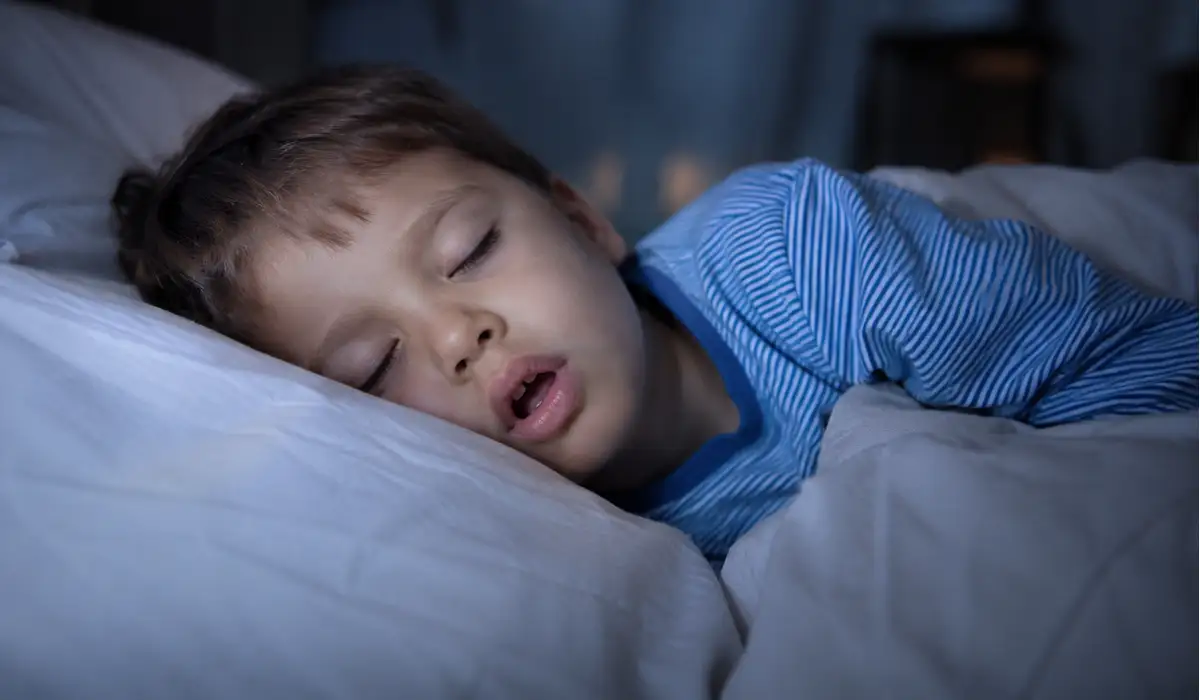
Child breathing problems at night can feel frightening because the house is quiet and every sound seems louder. Parents may notice snoring, coughing, wheezing, fast breathing, noisy breathing, or pauses that do not seem normal.
Some nighttime breathing changes happen with a cold, stuffy nose, allergies, or dry air. A child may breathe through the mouth, toss and turn, or cough more when lying down because mucus can drip toward the throat.
However, breathing should never look like hard work. If your child is struggling, pulling in around the ribs, turning blue or gray, or acting unusually sleepy, it is important to get medical help right away.
Night Coughing, Wheezing, And Stuffy Nose
Coughing is one of the most common reasons parents worry about child breathing problems at night. A cold, postnasal drip, allergies, or throat irritation can make a night cough worse after bedtime.
Wheezing is different from a simple cough. It may sound like a high-pitched whistle when your child breathes out. Wheezing can happen with asthma, viral infections, or airway irritation and should be discussed with a doctor.
A stuffy nose can also make sleep harder, especially for babies and younger children. Saline drops, gentle suction for infants, and keeping the room comfortably humid may help, but ongoing symptoms need medical advice.
Snoring And Pauses During Sleep
Light snoring during a cold may happen because the nose is blocked. But loud, regular snoring is not something to ignore, especially if it happens most nights or comes with restless sleep.
Some children may have pauses in breathing, gasping, choking sounds, mouth breathing, morning headaches, daytime sleepiness, or trouble paying attention. These can be signs that sleep breathing is being interrupted.
Enlarged tonsils, adenoids, allergies, weight concerns, or nasal blockage may contribute to nighttime breathing issues. A pediatrician may recommend an exam or sleep study if symptoms suggest sleep apnea.
Asthma And Nighttime Breathing Trouble
Asthma can cause coughing, wheezing, chest tightness, and shortness of breath. For many children, symptoms may become more noticeable at night or early in the morning.
A child with asthma may wake up coughing, breathe faster than usual, or avoid lying flat. Symptoms may also appear after running, laughing, cold air, dust, pets, pollen, or viral infections.
If your child already has an asthma plan, follow the instructions given by the doctor. If nighttime coughing or wheezing is new, frequent, or getting worse, schedule a medical visit.
Warning Signs That Need Urgent Care
Some breathing signs should be treated as urgent. These include ribs pulling in with each breath, nostrils flaring, grunting, very fast breathing, or a child who cannot speak or cry normally.
Blue, gray, or very pale lips, face, or nails can mean the child is not getting enough oxygen. A child who is limp, confused, hard to wake, or unusually weak needs emergency help.
Also seek urgent care if breathing trouble starts after choking, a possible allergic reaction, a high fever, or chest pain. Trust your instinct if your child looks seriously unwell.
Comfort Steps Parents Can Try At Home
If symptoms are mild and your child is breathing comfortably, simple steps may help. Keep the child upright for a short time, offer fluids, and use saline spray for a blocked nose.
A cool-mist humidifier may help if the air is dry. Keep smoke, strong perfumes, dust, and pet dander away from the sleeping area because these can irritate the airways.
Do not give cough or cold medicine to young children unless a doctor says it is safe. Home care is only for mild symptoms, not for breathing that looks difficult or unsafe.
When To Call The Doctor?
Call your child’s doctor if nighttime coughing, wheezing, snoring, or breathing trouble keeps happening. Repeated sleep disruption can affect mood, energy, school performance, and overall health.
You should also call if your child has a fever, ear pain, poor feeding, vomiting, dehydration signs, or symptoms that improve and then return worse. Babies should be checked sooner because their airways are smaller.
A doctor may ask about sleep sounds, triggers, allergies, asthma history, infections, and daytime behavior. A short video of the nighttime breathing pattern may help the doctor understand what is happening.
Final Thoughts
Child breathing problems at night can come from simple causes like a cold or allergies, but they can also point to asthma, sleep apnea, infection, or another condition that needs care.
Parents should watch the pattern. Occasional stuffiness is different from repeated wheezing, loud snoring, breathing pauses, chest pulling, or a child who wakes up short of breath.
When breathing looks hard, do not wait until morning. Quick medical attention can help protect your child and give you clear guidance for safer sleep and better breathing.
FAQs
Nighttime breathing may worsen because lying down can increase nasal congestion, postnasal drip, coughing, or asthma symptoms. Repeated problems should be checked by a doctor.
Mild snoring during a cold can happen. Loud, frequent snoring with pauses, gasping, restless sleep, or daytime tiredness should be discussed with a pediatrician.
Worry if your child has rib pulling, blue lips, fast breathing, grunting, wheezing, choking, extreme sleepiness, or trouble speaking. These need urgent care.
Yes, allergies can cause stuffy nose, mouth breathing, coughing, and irritated airways. Dust, pets, pollen, and mold may make symptoms worse during sleep.
If breathing sounds mild but unusual, check their position and comfort. If there are pauses, gasping, color changes, or hard breathing, seek medical help.
References
CDC
About Asthma
https://www.cdc.gov/asthma/about/index.html
Mayo Clinic
Pediatric Obstructive Sleep Apnea: Symptoms and Causes
https://www.mayoclinic.org/diseases-conditions/pediatric-sleep-apnea/symptoms-causes/syc-20376196
NHS
Bronchiolitis
https://www.nhs.uk/conditions/bronchiolitis/
