
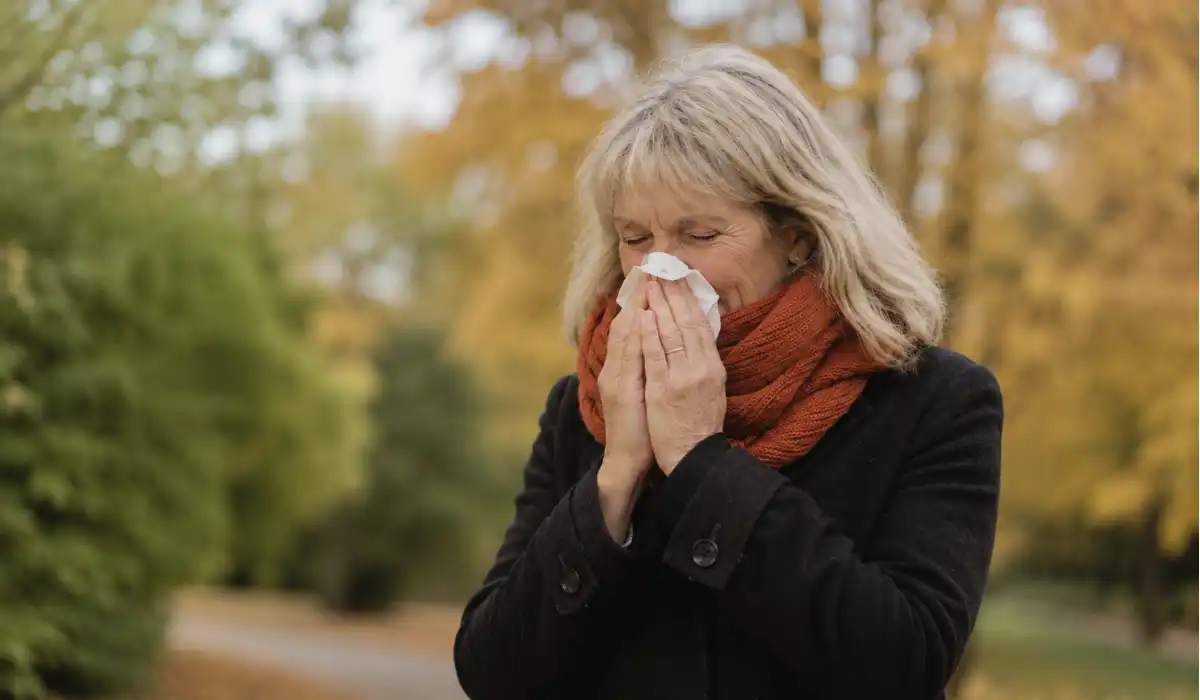
Fall can be a beautiful season, but it can also be difficult for people with allergies. Cooler air, falling leaves, dry wind, and high pollen levels can make the nose, eyes, throat, and chest feel irritated. Many people expect allergy problems only in spring, but fall allergies can be just as uncomfortable.
The symptoms may start slowly. You may wake up with a stuffy nose, sneeze often, or feel pressure around the eyes and forehead. Some people also get an itchy throat, watery eyes, coughing, or tiredness. These symptoms can come and go depending on the weather, outdoor activity, and indoor air quality.
Fall allergies can also be confusing because they often feel like a cold. The main difference is that allergy symptoms usually last longer and often appear around the same triggers each year. If symptoms continue for days or weeks without a fever, fall allergies may be the reason.
Common Fall Allergy Triggers
Ragweed Pollen
Ragweed is one of the most common fall allergy triggers. It can release pollen into the air during late summer and fall. The pollen is light, so the wind can carry it far from where the plant grows. Even people who do not see ragweed near their home may still react to it.
Ragweed allergy can cause sneezing, runny nose, stuffy nose, itchy throat, night cough and itchy eyes. Symptoms may feel worse on dry, warm, and windy days. Pollen levels can also be higher in the morning, so some people notice stronger symptoms after going outside early in the day.
Keeping windows closed, changing clothes after outdoor work, and showering before bed may help reduce pollen exposure. Checking local pollen counts can also help you plan outdoor activities better. These small habits may not stop all symptoms, but they can reduce how often allergens follow you indoors.
Mold Spores
Mold is another common fall allergy trigger. Mold can grow in damp leaves, soil, mulch, bathrooms, basements, and poorly ventilated areas. When mold spores enter the air, sensitive people may develop allergy symptoms. This can happen both outdoors and indoors.
Mold allergy symptoms may include sneezing, nasal congestion, runny nose, watery eyes, itchy throat, coughing, and wheezing. Some people with asthma may notice more breathing problems when mold levels are high. Raking leaves or working around damp outdoor areas can make symptoms worse.
To reduce mold exposure, avoid letting wet leaves collect near the home. Use gloves and a mask when cleaning damp areas. Indoors, fix leaks, reduce humidity, and clean visible mold safely. Good airflow can also make the home feel healthier during allergy season.
Signs That Fall Allergies May Be Affecting You
Fall allergies often affect the nose first. You may notice sneezing, stuffiness, postnasal drip, or a runny nose. The mucus is often clear, not thick or dark. The throat may feel scratchy because mucus drains from the nose into the back of the throat.
The eyes can also become red, watery, itchy, or swollen. This is common when pollen or mold spores are in the air. Rubbing the eyes may feel tempting, but it can make redness and irritation worse. Using clean hands and avoiding eye rubbing can help prevent more discomfort.
Some people also feel tired when allergies are active. Poor sleep from congestion, coughing, or sinus pressure can make the whole day harder. Children may seem cranky or distracted, while adults may feel less focused at work. Allergy symptoms are not always serious, but they can affect daily comfort.
Simple Ways To Get Relief During Fall
Small daily habits can make a big difference during fall allergy season. Keep windows closed when pollen counts are high. Use air conditioning when possible, and change filters regularly. After spending time outside, wash your hands, change clothes, and rinse your hair if symptoms are strong.
Cleaning also matters. Vacuum often, wash bedding in hot water, and keep pets clean if they go outside. Pollen and mold spores can stick to clothing, shoes, hair, and pet fur. Keeping outdoor allergens away from bedrooms may help you sleep better at night.
Over-the-counter allergy medicines may also help some people. Antihistamines, nasal sprays, saline rinses, and eye drops are common options. However, not every medicine is right for every person. People with asthma, pregnancy, high blood pressure, glaucoma, or other health conditions should ask a healthcare professional before using new allergy medicine.
When To Get Medical Help?
Most fall allergies can be managed with simple changes and the right treatment. Still, some symptoms should not be ignored. If you have wheezing, shortness of breath, chest tightness, severe sinus pain, or symptoms that keep getting worse, it is better to speak with a doctor.
You should also get help if symptoms look like an infection. A high fever, thick colored mucus, severe headache, ear pain, or symptoms that suddenly become worse may need medical attention. Allergies can make you feel unwell, but they do not usually cause a true fever.
An allergist or healthcare provider can help identify your triggers. Testing may be useful if symptoms happen every fall or do not improve with usual care. A clear plan can help you manage symptoms earlier, avoid triggers, and feel more comfortable throughout the season.
Conclusion
Fall allergies can make a pleasant season feel uncomfortable, especially when pollen, mold, and indoor allergens build up. Sneezing, congestion, itchy eyes, cough, and tiredness are common signs that your body is reacting to seasonal triggers.
The good news is that many people can feel better with simple daily steps. Keeping allergens outside, cleaning indoor spaces, watching pollen levels, and getting the right treatment can help you manage fall allergies and enjoy the season with more comfort.
FAQs
Yes, fall allergies can cause a cough. Postnasal drip, throat irritation, mold, and pollen exposure may all make coughing worse during allergy season.
Fall allergies may last for several weeks. They often continue while ragweed pollen, mold spores, or other seasonal triggers remain active.
No, they are not the same. Allergies usually cause itching, sneezing, and clear mucus, while colds may cause fever and body aches.
Yes, congestion, coughing, sinus pressure, and postnasal drip can disturb sleep. Keeping allergens out of the bedroom may help improve rest.
Reducing exposure is a good first step. Stay indoors during high pollen times, rinse after outdoor activity, and use allergy medicine if appropriate.
References
Mayo Clinic – Mold Allergy
https://www.mayoclinic.org/diseases-conditions/mold-allergy/symptoms-causes/syc-20351519
Mayo Clinic Health System – How to Manage Fall Allergies
https://communityhealth.mayoclinic.org/featured-stories/fall-allergies
AAAAI – Ragweed Allergy
https://www.aaaai.org/tools-for-the-public/conditions-library/allergies/ragweed
ACAAI – Seasonal Allergies
https://acaai.org/allergies/allergic-conditions/seasonal-allergies/
