
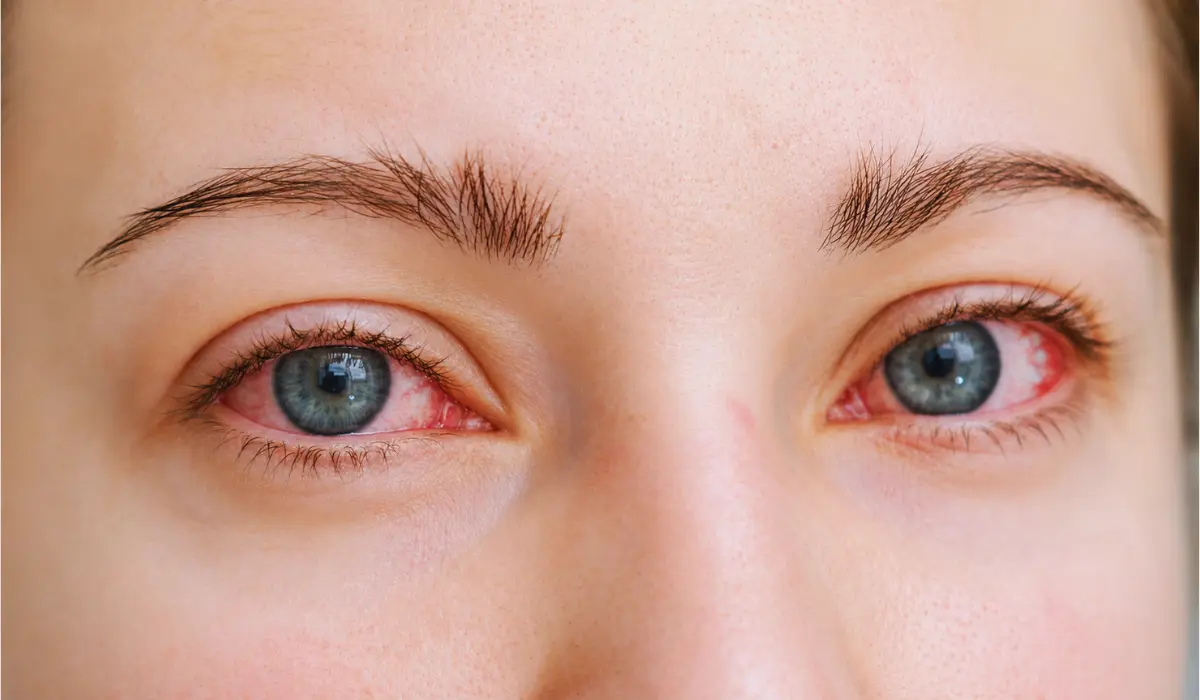
Eye allergies can make a normal day feel uncomfortable very quickly. Your eyes may become red, itchy, watery, swollen, or sensitive, especially during pollen season or after exposure to dust, pets, mold, or smoke. For some people, the symptoms are mild and come only during certain seasons. For others, eye irritation can happen often and affect reading, working, driving, sleeping, or spending time outdoors.
For many people, eye allergies are not dangerous, but they can be frustrating and distracting. It can be hard to focus when your eyes keep watering or itching. The good news is that simple habits, the right eye care, and proper treatment can help reduce symptoms. When you understand your triggers and respond early, it becomes easier to protect your eyes and stay comfortable through the day.
Common Signs Of Eye Allergies
Eye allergies often start with itching. You may feel like rubbing your eyes again and again, even though rubbing usually makes the irritation worse. The eyes may also look red, watery, or slightly swollen. Some people feel as if there is dust, sand, or something tiny stuck in the eyes, even when nothing is there. This uncomfortable feeling can become worse after going outside, cleaning the house, or spending time near pets.
Some people also feel burning, mild soreness, or sensitivity to light. The eyelids can feel heavy, puffy, or tired, especially in the morning. These symptoms may come and go depending on the season, weather, or indoor environment. On high-pollen days, your eyes may start watering soon after you step outside. In dusty rooms, irritation may build slowly over a few hours.
Eye allergies may also happen along with sneezing, a runny nose, congestion, or an itchy throat. If both eyes are affected and the main problem is itching and watering, allergies may be the reason. However, pain, vision changes, thick discharge, or strong light sensitivity should not be ignored. These signs may point to something other than allergies and should be checked by a healthcare provider or eye doctor.
Everyday Triggers That Can Irritate The Eyes
Outdoor pollen is one of the most common triggers of eye allergies. Trees, grass, and weeds can release pollen into the air during certain times of the year. Windy days can make symptoms feel worse because pollen and dust move more easily through the air. People who spend a lot of time outdoors may notice more redness, watering, and itching during spring, summer, or fall.
Indoor triggers can also cause problems. Dust mites, pet dander, mold, and poor indoor air quality may keep the eyes irritated even when you stay inside. Bedding, carpets, curtains, pillows, and soft furniture can hold allergens. If your eyes feel worse at night or when you wake up, your bedroom may be one of the places where allergens are collecting.
Smoke, strong perfumes, cleaning sprays, and dry air may not always be true allergens, but they can still irritate sensitive eyes. For people who already have eye allergies, these irritants can make redness, watering, and itching feel stronger. Air conditioning, fans, and dry indoor air may also make the eyes feel drier, which can add to the discomfort.
Simple Ways To Find Relief At Home
Try not to rub your eyes, even when they feel very itchy. Rubbing can make redness and swelling worse. It may also push more allergens into the eyes and irritate the delicate skin around the eyelids. Instead, use a clean, cool compress over closed eyelids for a few minutes. This can help calm puffiness, itching, and burning.
Artificial tears may help rinse allergens from the eye surface and reduce dryness. These drops can be helpful after coming indoors from outside or after exposure to dust. If you wear contact lenses, symptoms may feel worse during allergy flare-ups. Glasses may be more comfortable until the irritation settles, especially when the eyes are red, watery, or sensitive.
Washing your hands and face after being outdoors can also help. If pollen is high, changing clothes and showering before bed may reduce nighttime irritation. Keeping windows closed during high-pollen days may also support better eye comfort. Small steps like these may not remove allergies completely, but they can reduce how often symptoms become severe.
Treatment Options That May Help
Over-the-counter allergy eye drops may help reduce itching, redness, and watering. Some drops contain antihistamines or mast cell stabilizers, which are often used for allergy-related eye symptoms. These can be useful for seasonal or mild eye allergy symptoms. It is important to follow the instructions on the product label and avoid using drops more often than recommended.
Oral allergy medicines may help when eye symptoms happen with sneezing, congestion, or a runny nose. These medicines may be useful when allergies affect more than just the eyes. However, some allergy medicines may cause dryness, which can make the eyes feel more uncomfortable in certain people. If dryness becomes a problem, speak with a pharmacist or healthcare provider about safer options.
For stronger or long-lasting symptoms, a doctor may suggest prescription eye drops. These may be needed when regular allergy drops do not provide enough relief. Steroid eye drops should only be used under medical guidance, because long-term or improper use can increase the risk of eye pressure problems and other side effects. A professional exam can help make sure the treatment matches the real cause of the symptoms.
Eye Allergies And Daily Habits That Make Symptoms Worse
Some daily habits can make eye allergies worse without you realizing it. Rubbing the eyes, sleeping on dusty pillows, using old eye makeup, or touching the face with unwashed hands can increase irritation. Even small habits, such as sitting near a fan that blows dust or pollen toward your face, may keep symptoms active for longer.
Screen time can also add to eye discomfort. When people use phones, computers, or tablets for long periods, they often blink less. This can make the eyes feel dry, tired, and more sensitive during an allergy flare-up. Taking short screen breaks, blinking often, and using artificial tears when needed may help reduce dryness and irritation.
Makeup and skincare products can also trigger or worsen symptoms in some people. Mascara, eyeliner, eye creams, perfumes, and facial sprays may irritate sensitive eyes. If symptoms started after using a new product, stop using it for a while and see if your eyes improve. Keeping eye products clean and replacing old makeup can also lower the risk of irritation.
How To Prevent Eye Allergy Flare-Ups?
Prevention starts with knowing your triggers. If pollen bothers your eyes, check local pollen levels and avoid outdoor activities when counts are high. Wearing sunglasses outside may also help block pollen, dust, and wind from reaching the eyes. A wide-brimmed hat may give extra protection when you need to spend time outdoors.
At home, clean bedding often and use a vacuum with a good filter if possible. Keep pets out of the bedroom if pet dander causes symptoms. Reducing mold and controlling indoor humidity may also help. If dust is a major trigger, washing pillowcases, blankets, and curtains regularly can make the sleeping area more comfortable.
Avoid touching your eyes with unwashed hands. Replace old eye makeup and do not share eye products with others. If you use contact lenses, clean them properly and follow your eye doctor’s instructions to reduce irritation. During allergy season, daily disposable lenses or temporary use of glasses may be easier on the eyes for some people.
When Eye Allergies Need Medical Attention?
Most mild eye allergies improve with basic care and allergy treatment. Still, some symptoms should not be ignored. Eye pain, blurry vision, strong light sensitivity, or swelling around one eye should be checked. These symptoms may not be from simple allergies and may need medical care.
Thick yellow or green discharge may point to an infection instead of allergies. If symptoms affect only one eye, become severe, or do not improve after a few days of care, it is safer to get medical advice. Allergies usually cause clear watering and itching, while infections may cause sticky discharge, crusting, or pain.
People with contact lenses should be more careful. Eye irritation with contacts can sometimes become serious. Remove the lenses and speak with an eye care professional if redness, pain, or vision changes develop. Do not continue wearing contact lenses when the eyes are painful or very red, because this may increase the risk of complications.
Living Comfortably With Eye Allergies
Eye allergies can return during certain seasons or around specific triggers, but they can often be managed. Small daily steps can make a big difference in comfort and eye health. Keeping your home cleaner, avoiding strong irritants, using cool compresses, and treating symptoms early can help reduce flare-ups.
The goal is to reduce exposure, calm irritation, and protect the eyes from further discomfort. With the right routine, many people can continue their normal work, school, and outdoor activities with fewer allergy problems. It may take some time to understand what triggers your symptoms, but tracking patterns can help.
If eye allergies keep coming back or affect your daily life, do not ignore them. A healthcare provider, pharmacist, or eye doctor can help find the cause and suggest the safest treatment for your needs. Getting the right advice is especially important if symptoms are severe, long-lasting, or different from your usual allergy pattern.
FAQs
Eye allergies usually affect both eyes, but one eye may feel worse. If only one eye is red or painful, seek medical advice.
No, eye allergies are not contagious. They happen because your body reacts to allergens like pollen, dust, mold, or pet dander.
Mild blurry vision may happen from watery eyes or irritation. Sudden, serious, or lasting vision changes should be checked by an eye doctor.
It may help to switch to glasses during a flare-up. Contacts can trap allergens and make itching, redness, and dryness worse.
A cool compress, artificial tears, and allergy eye drops may help. Avoid rubbing your eyes because rubbing can make irritation worse.
References
American Academy of Ophthalmology
Eye Allergies: Why Are My Eyes Itchy?
https://www.aao.org/eye-health/diseases/allergies
Mayo Clinic
Pink Eye: Symptoms and Causes
https://www.mayoclinic.org/diseases-conditions/pink-eye/symptoms-causes/syc-20376355
Cleveland Clinic
Allergic Conjunctivitis: Causes, Symptoms and Treatment
https://my.clevelandclinic.org/health/diseases/allergic-conjunctivitis
American College of Allergy, Asthma & Immunology
Eye Allergies: Causes, Symptoms and Treatment
https://acaai.org/allergies/allergic-conditions/eye-allergy/
American Academy of Allergy, Asthma & Immunology
Eye Allergy Overview
https://www.aaaai.org/conditions-treatments/allergies/eye-%28ocular%29-allergy
