
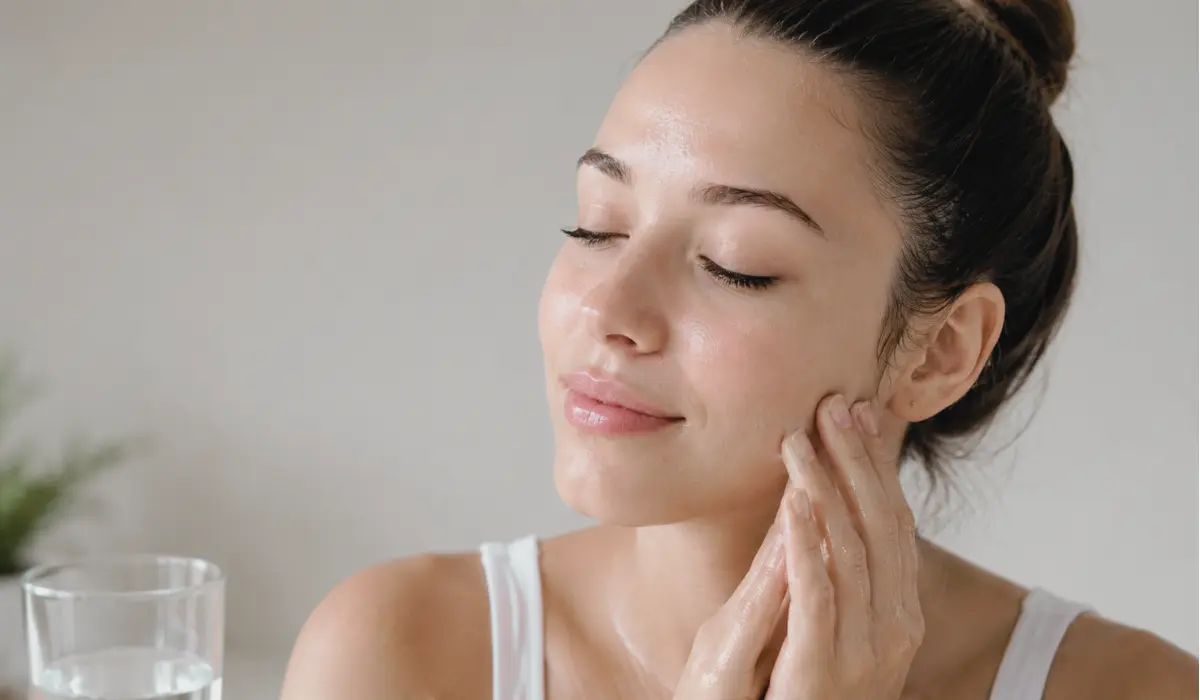
Hydration plays a quiet but important role in how your skin looks and feels. When your body and skin are well supported with enough fluid and moisture, your skin may feel softer, smoother, and more comfortable.
Still, healthy skin is not only about drinking more water. The skin also needs a strong outer barrier, gentle care, balanced nutrition, and protection from dryness. This article explains How Hydration Effects Skin in a simple, practical way for everyday readers.
Why Low Hydration Can Make Skin Look Dull?
When your body does not get enough fluids, your skin may start to look tired, flat, or less fresh than usual. Some people notice dryness around the lips, cheeks, hands, or elbows first. The skin may also feel tight after washing.
Low hydration can make fine lines look more noticeable for a short time because the skin may not appear as plump. This does not mean dehydration causes deep wrinkles overnight, but it can make the skin look less smooth.
Skin can also lose moisture from the outside. Cold weather, indoor heating, hot showers, harsh soaps, and dry air can all make the skin barrier weaker. When that happens, water escapes from the skin more easily, leaving it rough or flaky.
Drinking Water Supports Skin, But It Is Not a Magic Cure
Drinking enough water is important for your whole body, and your skin is part of that system. Good daily hydration supports circulation, body temperature, digestion, and normal cell function. These things can help the skin look healthier overall.
However, drinking extra water will not automatically fix dry skin if your skin barrier is damaged. Many people with dry skin already drink enough fluids, but their skin still loses moisture because of weather, age, products, or skin conditions.
A balanced approach works better. Drink water through the day, but also use skincare that protects the skin surface. Fruits, vegetables, soups, and other fluids can also add to daily hydration. The goal is steady hydration, not forcing too much water.
Moisturizer Helps Keep Hydration In The Skin
Moisturizer is important because it helps reduce water loss from the skin surface. After washing, the skin can lose moisture quickly, especially if the cleanser is strong or the water is too hot. A moisturizer helps seal in comfort.
Some moisturizers contain ingredients that attract water, such as glycerin or hyaluronic acid. Others contain ingredients that soften the skin or form a protective layer. Creams and ointments are often more helpful than light lotions for very dry skin.
For best results, apply moisturizer when the skin is slightly damp, such as after bathing or washing your face. This can help trap moisture on the surface. People with sensitive skin should choose fragrance-free products to reduce irritation.
Daily Habits That Help Skin Stay Hydrated
Small daily habits can make a big difference in skin hydration. Use lukewarm water instead of very hot water when bathing. Keep showers short, and avoid scrubbing the skin harshly with towels, brushes, or rough washcloths.
Choose gentle cleansers that do not leave the skin feeling tight. A cleanser should clean the skin without stripping away too much natural oil. After washing, pat the skin dry and apply moisturizer within a few minutes.
Your environment also matters. Dry indoor air can pull moisture from the skin, especially during winter or in air-conditioned rooms. A humidifier may help some people. Wearing sunscreen during the day also protects the skin from sun damage and dryness.
Foods And Nutrients Can Support Hydrated-Looking Skin
Hydration is not only about plain water. Foods with high water content, such as cucumber, oranges, watermelon, berries, tomatoes, and leafy greens, can support daily fluid intake while adding vitamins and minerals.
Healthy fats also matter for the skin barrier. Foods such as avocado, nuts, seeds, olive oil, and fatty fish can support skin comfort as part of a balanced diet. These foods do not replace moisturizer, but they may support healthy-looking skin.
Too much alcohol, too many sugary drinks, and a poor diet may leave the skin looking less fresh. A simple routine with water, balanced meals, and gentle skincare is often more realistic than extreme skin trends or expensive routines.
Signs Your Skin May Need More Hydration Support
Skin that needs more hydration support may feel tight, rough, itchy, or flaky. You may notice dry patches on the face, arms, legs, or hands. Makeup may also sit unevenly on dry areas.
Sometimes the skin looks dull because it is losing moisture from the surface. In other cases, the whole body may be dehydrated, especially after sweating, illness, heat exposure, or not drinking enough fluids during the day.
Seek medical advice if dryness is severe, painful, cracked, bleeding, or not improving with gentle care. Also speak with a healthcare professional if you have a rash, swelling, infection signs, or a long-term skin condition like eczema or psoriasis.
Simple Skin Hydration Routine For Everyday Care
Start your day with a gentle cleanse or a splash of lukewarm water, depending on your skin type. Apply moisturizer while the skin is slightly damp. During the day, drink fluids regularly instead of waiting until you feel very thirsty.
Use sunscreen when going outside, even on cloudy days. Sun exposure can weaken the skin over time and make dryness, texture, and uneven tone worse. A moisturizing sunscreen can be helpful for people with dry skin.
At night, wash away sweat, sunscreen, and dirt with a gentle cleanser. Apply a thicker moisturizer if your skin feels dry. Keep the routine simple and consistent, because skin usually responds better to steady care than sudden changes.
FAQs
Drinking enough water can support healthier-looking skin, but glow also depends on sleep, diet, skincare, sun protection, and the skin barrier.
Dehydration can make skin look dull or feel less comfortable, but dry skin often comes from moisture loss at the skin surface.
Water needs vary by body size, activity, weather, and health. A practical goal is drinking regularly and checking that urine is pale yellow.
Both matter, but moisturizer is often more helpful for dry skin because it helps reduce water loss from the skin surface.
Use gentle cleansers, moisturize damp skin, drink enough fluids, eat water-rich foods, protect skin from sun, and avoid very hot showers.
References
American Academy of Dermatology Association
Dermatologists’ Top Tips for Relieving Dry Skin
https://www.aad.org/public/everyday-care/skin-care-basics/dry/dermatologists-tips-relieve-dry-skin
Centers for Disease Control and Prevention
About Water and Healthier Drinks
https://www.cdc.gov/healthy-weight-growth/water-healthy-drinks/index.html
Mayo Clinic
Dry Skin: Symptoms and Causes
https://www.mayoclinic.org/diseases-conditions/dry-skin/symptoms-causes/syc-20353885
Harvard Health Publishing
Dry Skin
https://www.health.harvard.edu/a_to_z/dry-skin-a-to-z
